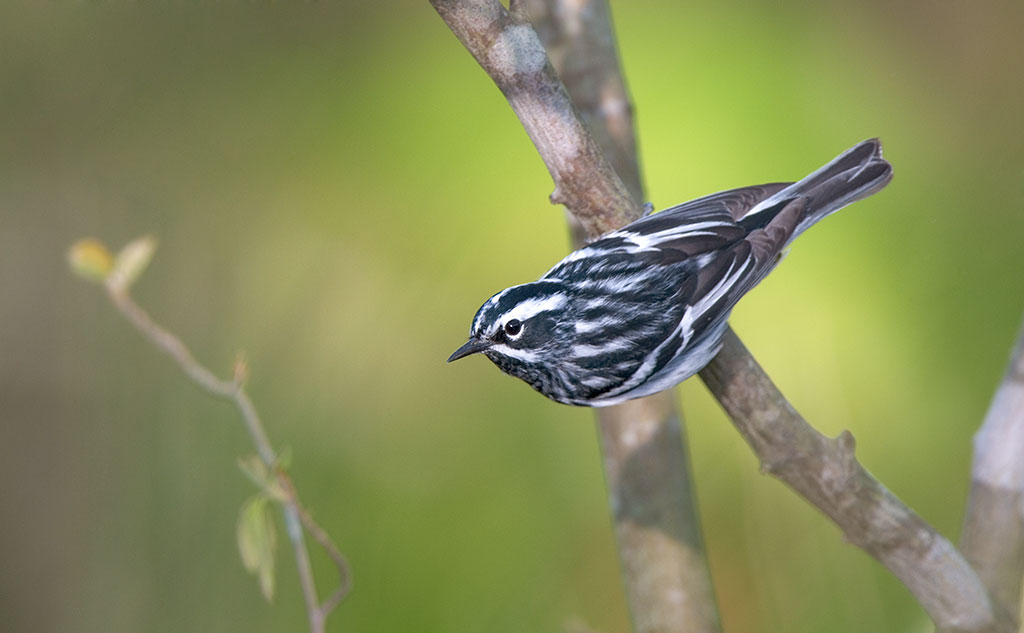
Black & White Warbler
Black & White Warbler, Mniotilta varia The bluffs above Hiller’s Creek is a good place to find this bird. They are one of 13 different kinds of warblers that nest … Continued

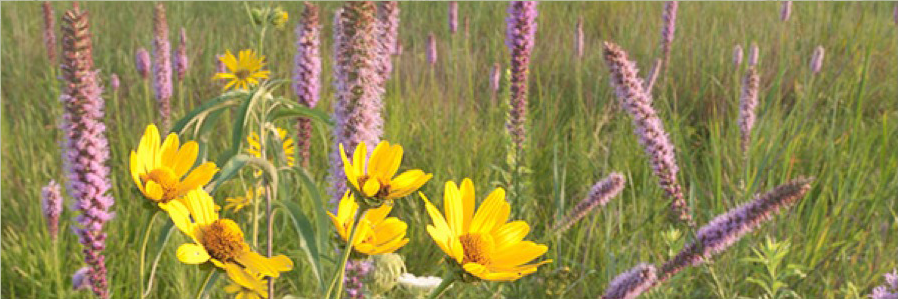
Black & White Warbler, Mniotilta varia The bluffs above Hiller’s Creek is a good place to find this bird. They are one of 13 different kinds of warblers that nest … Continued
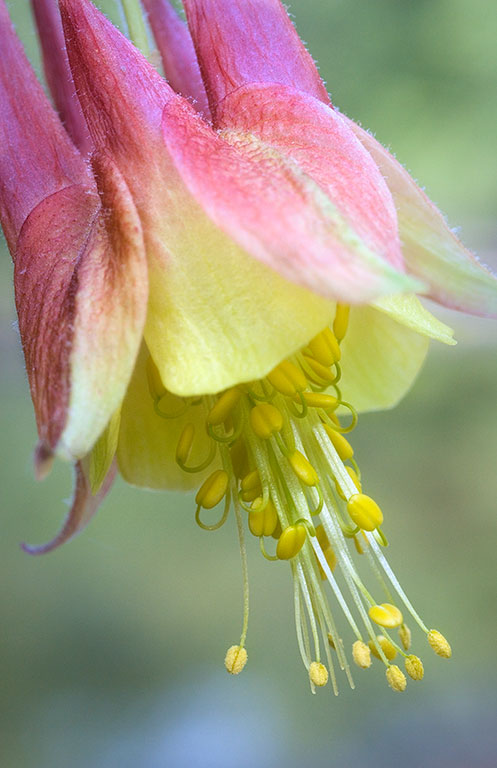
Red Columbine, Aquilegia canadensis Columbine has started blooming, just in time for the hummingbirds. Today I found some that Neal had planted along the sidewalk at the Lotus Ponds here … Continued
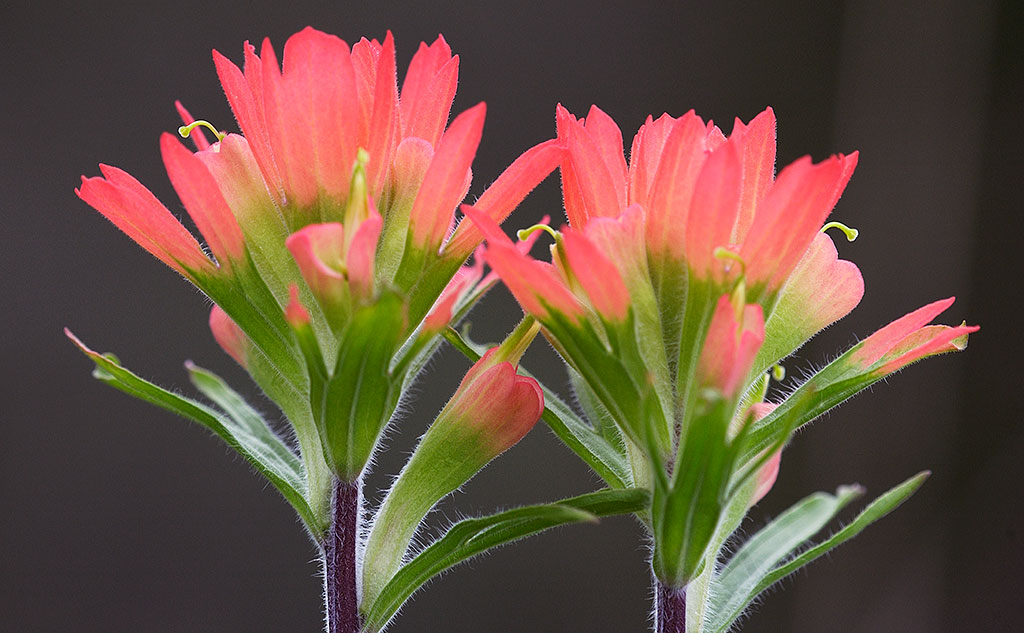
Indian Paintbrush, Castilleja coccinea The best place to find wildflowers now is in the woods, but there are a few in prairie. Indian Paintbrush is one of my favorites. You … Continued
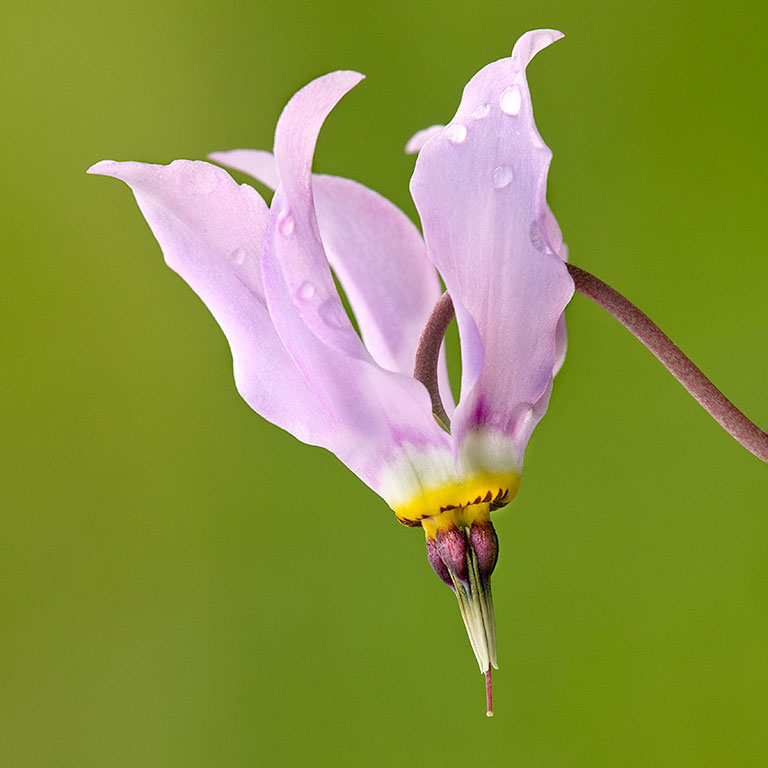
Shooting Star, Dodecatheon meadia Yesterday I found these wildflowers blooming along the path in Indigo Prairie. There are also some in the plantings around the PGT Visitor Center. To appreciate … Continued
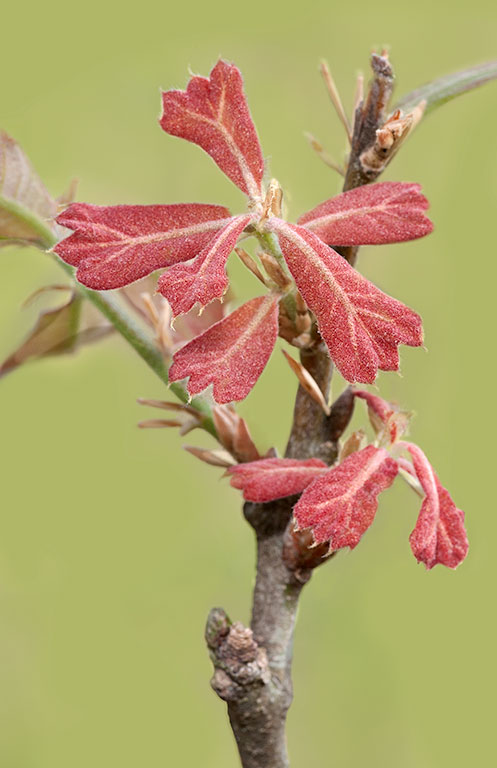
Blackjack Oak, Quercus marilandica Watching leaves emerge in spring is magical. In a couple of weeks bare branches become fully leafed out. This is Blackjack Oak, one of the less … Continued
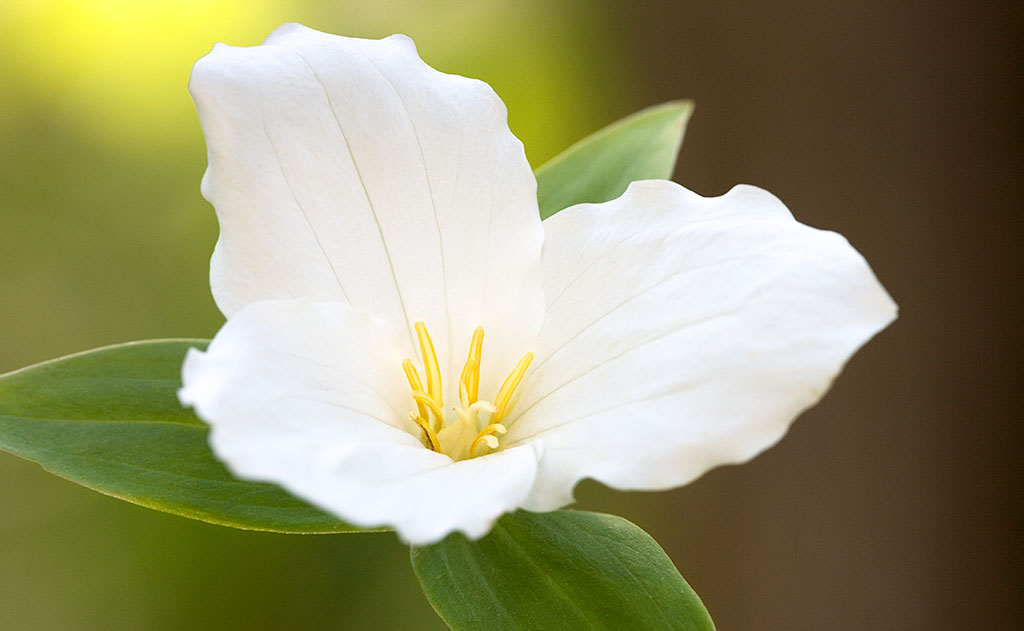
White Trillium, Trillium grandiflora So many woodland wildflowers right now! To see them well it helps to get down on your hands-and-knees.
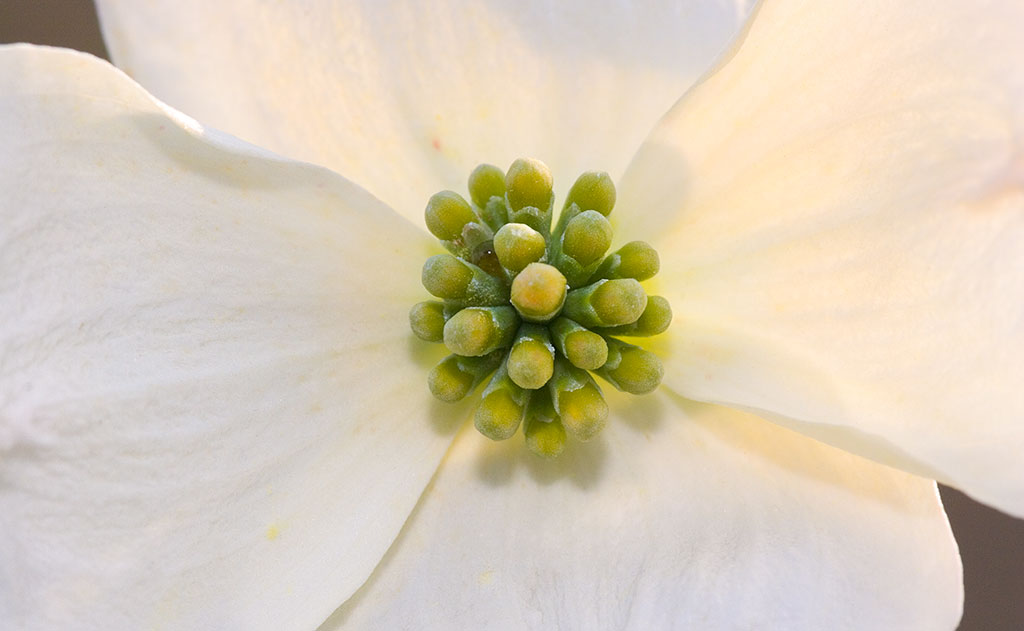
Flowering Dogwood, Cornus florida Dogwoods are at their peak now. I encourage you to come to the Prairie Garden Trust to enjoy them. The PGT is free and open to … Continued
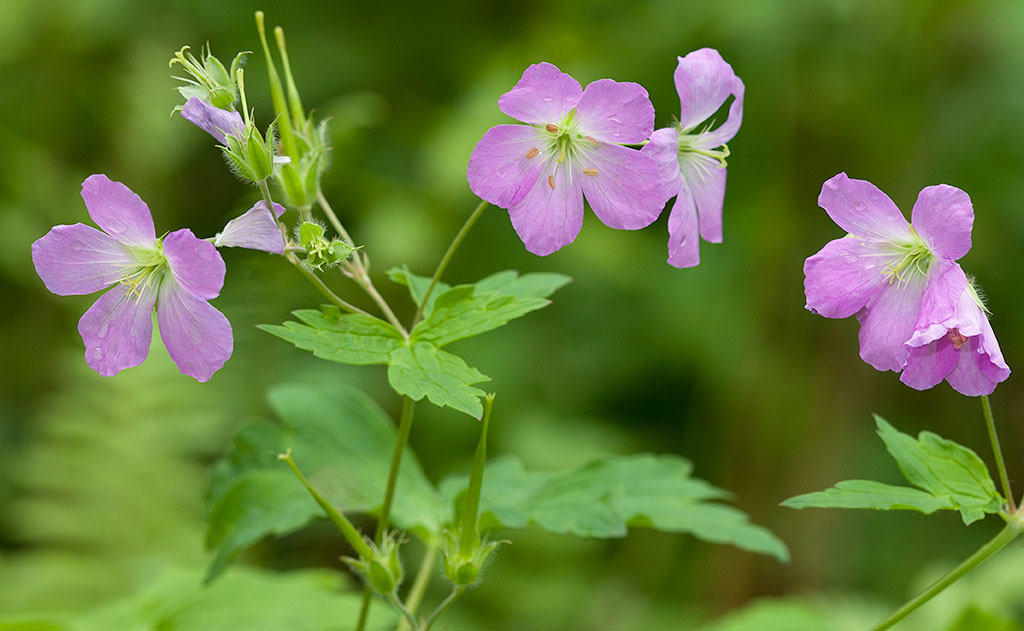
Wild Geranium, Geranium maculatum There are a lot woodland wildflowers blooming now. You can find these in the woods just east of the PGT Visitor Center.
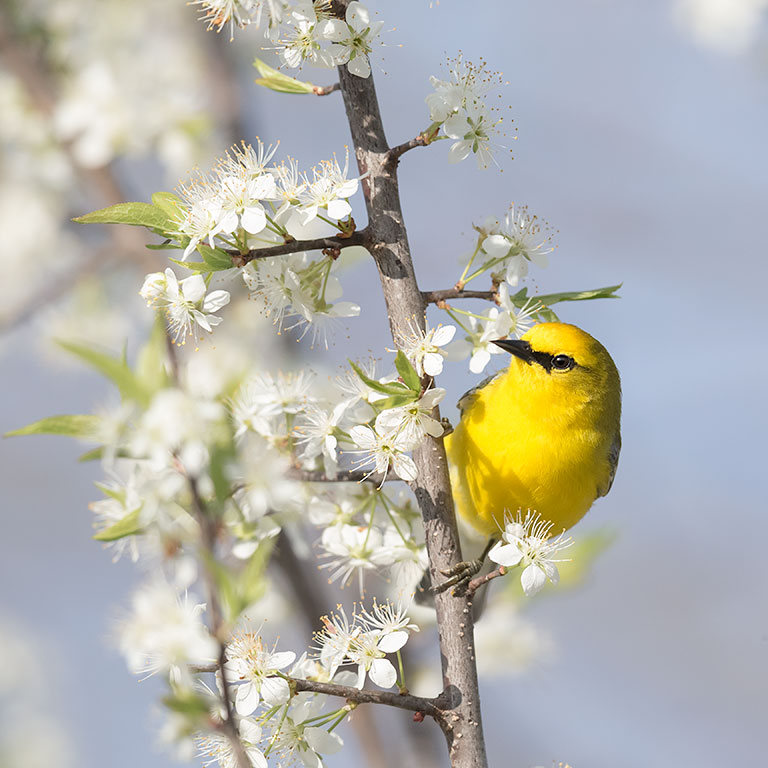
Blue-winged Warbler, Vermivora cyanoptera I found this Warbler in a plum thicket just west of the PGT Center. First of the year.
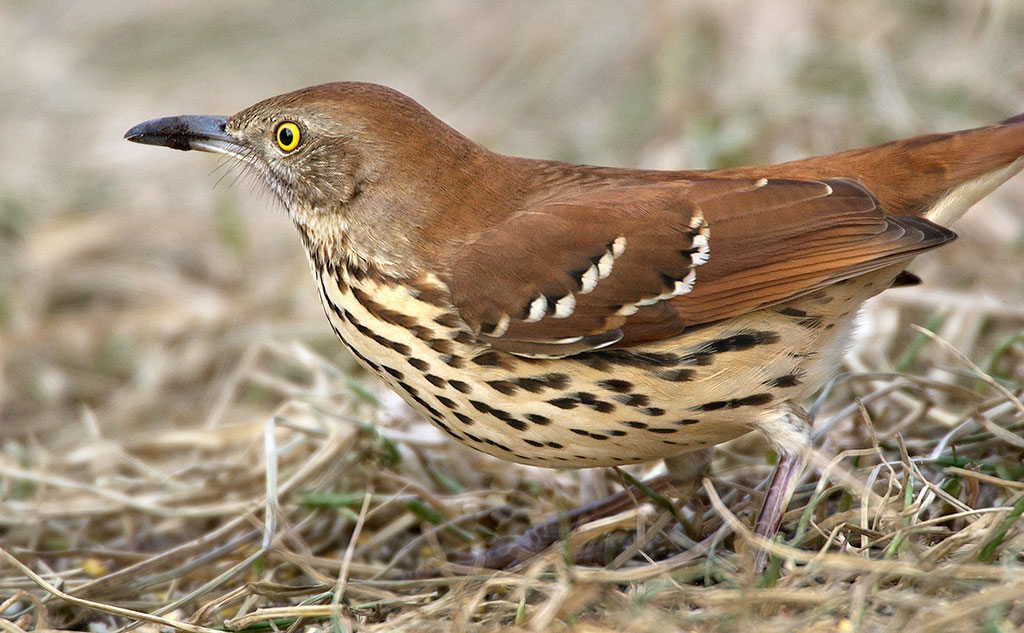
Brown Thrasher, Toxostoma rufum Yesterday I heard one of these birds calling from a thicket by our barn. They’ve just returned.